Our Products
Compressed Air Solutions
  • Screw Air Compressor
  • Oil Free Compressor
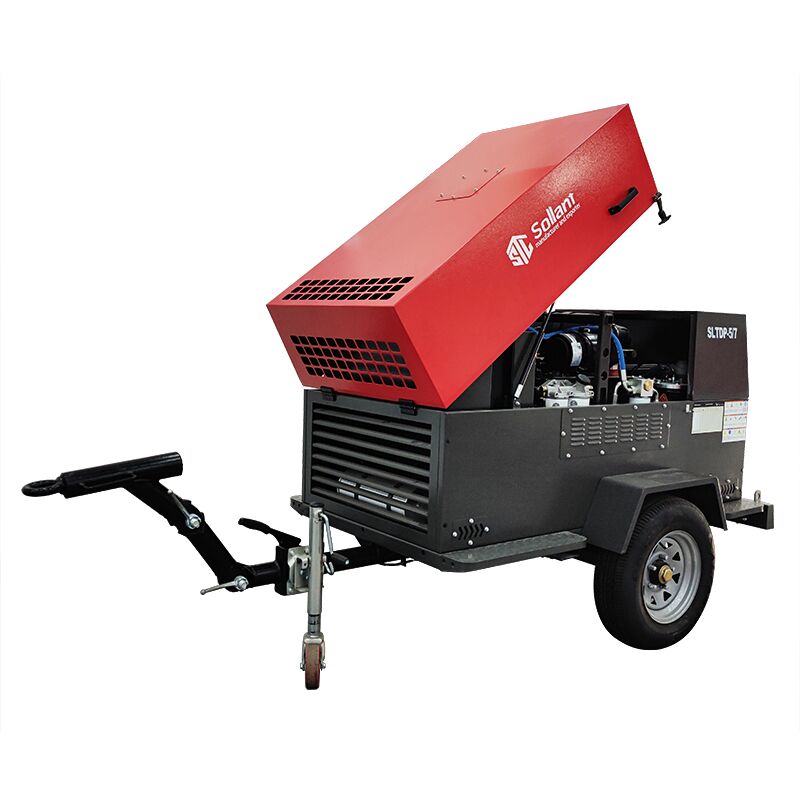
  • Diesel Portable Compressor
  • Gas Compressor
  • Specialty Compressor
  • Air Treatment
ISO 9001 Certified
24-Month Warranty
OEM & ODM Support
Factory Direct Price
All products→
Air Compressor Spare Parts Buying Guide
Technical Guide

Air Compressor Spare Parts Buying Guide

16 min read
Maintenance & Parts

Screw compressor parts split into consumables and repair parts. Consumables follow a service schedule. Repair parts get changed at failure.

Filters and Oil: The Stuff That Gets Changed Every Service

Air filter, oil filter, and lubricating oil all come out at the same service event. Differential pressure determines filter life. Air filter at 25 mbar, oil filter at about 1 bar. Machines without differential pressure readouts get both filters swapped at 2000 hours regardless.

Air filter element

Where this gets complicated is dirty environments, and this guide is going to spend more time on dirty environments than clean ones because clean compressor rooms don't generate phone calls. A cement batch plant near Pretoria was packing air filters dead solid at 800 hours with the intake gasket starting to deform from the vacuum. Fabricated pre-filter on the intake duct, coarse media in a larger pipe section, got it out to about 1500 hours. A woodworking shop in Durban with the compressor room on building HVAC, filters coming out at 2800 hours still looking half clean. A food processing plant in Cape Town running a compressor right next to a flour sifting line, filters lasting maybe 600 hours, pre-filter barely helped because the flour dust was so fine it passed right through the coarse media and packed the primary element anyway. That installation eventually got ductwork run to pull intake air from outside the building, which solved it. Every dusty environment is its own problem and the answer is different each time.

Shaft seal damage from clogged air filters. This connection gets missed constantly. Restricted intake makes the airend pull excess vacuum on the suction side. That vacuum loads the shaft seals backwards. Compressors in dusty facilities eating seals at 9000 hours when clean-room machines of the same model go past 20,000 on the same seal. Service reports say "seal failure" and the corrective action is "install new seals" and three months later the new seals are leaking too and everyone acts surprised. The filter was changed on schedule, looked fine at the time. The filter was marginal between changes. Cumulative damage. Nobody traces it back because the filter element is long gone by the time the seal starts leaking. This happens at plant after plant and the fix is better intake air management, not better seals.

Oil filter problems are less dramatic. Restriction causes high temp alarm from reduced oil flow. Swap the element, reset, move on.

Aftermarket filter elements from Donaldson or Mann+Hummel are fine. OEM filter elements are also fine. The price difference is fifteen, twenty bucks. This is not where procurement decisions matter.

Oil is a different conversation. Mineral oil works for the majority of machines. 2000 hour changes alongside the filters. Cheap, available everywhere. Synthetic lasts longer between changes, 6000 to 7000 hours, handles heat better. A mine site machine ran 7400 hours on a synthetic formulation with oil analysis still coming back acceptable. Synthetic makes financial sense on machines in sustained high ambient heat, machines running loaded most of the day, or remote installations where getting a technician out every 2000 hours is logistically painful. For a compressor in a 22 degree warehouse running one shift, synthetic is spending money for nothing.

Do not mix mineral and synthetic. Drain, flush, refill.

Shell Corena, Mobil Rarus, and whatever the compressor manufacturer puts their label on all work. What does not work and keeps showing up anyway is hydraulic oil. Someone in the plant sees ISO VG 68 on the compressor spec, finds AW68 hydraulic oil in the storeroom, puts it in. Viscosity matches. Additive chemistry is completely wrong. Hydraulic oil anti-wear compounds and detergents break down at compressor operating temperatures and produce varnish everywhere. Thermostatic valve elements stuck solid. Oil passages narrowing. Every internal surface coated. Three thousand hours of hydraulic oil creates a mess that takes a full teardown and solvent cleaning to fix. That drum of "free" oil from the storeroom creates a bill in the thousands. This keeps happening because nobody puts a warning on the hydraulic oil drum and the viscosity grade match is convincing enough for someone who doesn't know the difference.

Quantity depends on the machine. A 37 kW unit, 15 to 18 liters. Buy a 20-liter pail.

Oil Separator Element

The separator gets disproportionate attention in any compressor maintenance discussion because the consequences of getting it wrong are disproportionate to its size and apparent simplicity.

Function: the compression process mixes oil and air inside the airend. The separator sits downstream and coalesces oil mist out of the compressed air using ultra-fine glass fiber media that catches oil aerosol at about 3 microns. Oil drains back to the sump. Reasonably clean air goes downstream.

0.8bar
Start Ordering
1bar
Replace Now
~1L
Normal Top-up / 1000hr

Monitoring. Differential pressure across the element, where 0.8 bar means start ordering a replacement and 1 bar means it should already be on hand. Oil consumption, where a 37 kW machine normally needs maybe a liter of top-up over a thousand running hours.

The particular danger with separator elements, and the reason buying cheap ones creates bills that dwarf the savings, is the way they fail. Air filters fail obviously. Pressure drop climbs, airflow drops, the machine might trip. Easy to catch. Oil filters fail the same way. Separators do not. A failing separator can maintain normal differential pressure readings for its entire remaining installed life while passing oil downstream in increasing quantities. The glass fiber media degrades at the individual fiber level. Fibers lose their coalescing properties. Oil aerosol in fine enough particle sizes to slip through without creating measurable flow resistance passes straight through the element. The controller reads normal differential pressure and raises no alarm. The oil sump level drops faster. Oil goes into the discharge piping, through the aftercooler, into the dryer, saturates the coalescing filters on the downstream filtration unit, coats every internal surface it touches.

This failure mode is specific to low-density or poorly manufactured glass fiber media. Good media, tightly controlled fiber diameter and packing density, maintains coalescing efficiency for thousands of hours. Cheap media starts letting oil through relatively early. And the monitoring parameters that catch every other filter failure on the machine do not catch this one.

An Atlas Copco GA45 in Johannesburg. 45 kW. Online marketplace separator, about R600, versus OEM at R2800. Ran roughly two thousand hours with no alarms. Then oil consumption climbed. By the time anyone noticed, both stages of downstream coalescing filtration were saturated, the dryer needed service, piping was oil-coated. Cleanup cost north of R15,000. That situation on a 90 or 132 kW machine would be substantially worse because the downstream equipment is larger and more expensive.

Glass fiber separator media also absorbs moisture from ambient air. Elements should stay factory-sealed until installation. An unwrapped element sitting in a humid storeroom for months may underperform from day one.

Aftermarket separator manufacturers producing OEM-equivalent quality exist. The problem is that the quality spread in this product category is enormous. A parts distributor might sell Donaldson air filters, which are excellent, and source separator elements from a factory nobody has heard of. Those are two separate supply chains. The air filter quality says nothing about the separator quality. Separator suppliers need to be evaluated on separator performance specifically, across many machines, over years. Not catalog specs, not general reputation.

OEM separators are the safe default unless a specific aftermarket supplier has years of proven performance without oil carryover.

Belts

Belt-drive only. Cracked, glazed, worn, hard: swap. Gates, Optibelt, OEM. Re-tension new belts after a couple hundred hours of break-in. There is remarkably little to get wrong with belts as long as nobody buys the absolute cheapest no-name product available.

Valves and Thermostatic Elements

Intake valve and minimum pressure valve cycle with every load and unload event. On machines with frequent cycling that's hundreds of actuations per day. Seal and spring wear is a certainty.

Intake valve symptoms are obvious enough. Sump pressure keeps rising during unload because the valve won't seat. Or the machine loads slowly because the valve is sticky. Minimum pressure valve symptoms are much harder to spot. Cracking pressure drifts, either low or high, and neither condition generates an alarm. Low cracking pressure means weak oil circulation during startup and low-demand periods. High means the compressor burns extra energy against unnecessary backpressure. A technician has to specifically check valve operation during a service to catch either problem, and most service visits are focused on the consumable change and don't include valve testing unless the customer is paying for a comprehensive inspection. These valve problems can run for a very long time without detection.

There's a gap in how most operators think about these valves. The rebuild kits are 120 to 160 bucks. The labor for a preventive rebuild is an hour or two on top of a normal service. Compared to the cost of a reactive repair after a valve fails during production, where the machine is down, the technician has to drive out unplanned, possibly the kit isn't in stock locally and has to be overnighted. Preventive rebuilds around 16,000 to 20,000 hours are worth doing and almost nobody does them proactively. Most operators run the valves until they cause a problem, then scramble. Stock one kit of each.

Thermostatic valves control oil temperature by routing flow through or around the cooler. They fail by sticking. Toward the cooler side: cold oil at startup, condensation in the oil, milky water-contaminated oil that can damage bearings over time. In the bypass direction: oil never gets cooled, high temp shutdown. These usually last past 25,000 hours. Coastal installations with salt air exposure see shorter life because the wax element housing corrodes. Stock a spare only if local parts take more than a couple of days to arrive.

Solenoid Valves, Sensors, and Other Small Electrical Parts

Not much to say about individual failure modes here because the failures are all the same story: something electronic stops working without warning and the compressor behaves erratically until the part gets swapped. Solenoid valve dies, machine won't load or won't unload or the condensate drain sticks shut. Pressure sensor fails, controller shows garbage or throws false alarms. Temperature sensor goes open circuit, the machine shuts down thinking the discharge is at 150 degrees when it's actually at 85.

These parts cost thirty to eighty bucks each. They fit in a single small drawer. Stock several of each and don't think about them until the phone rings.

Bearings

Airend bearings go past 40,000 hours. Warning signs are vibration and noise changes, developing gradually over weeks or months. Replacement requires pulling the airend and sending it to a specialist rebuild shop. Not a field job, not a parts-stocking decision.

Where and How to Buy Parts

Parts warehouse

OEM from the manufacturer or authorized distributor. More expensive, quality is consistent and known.

Aftermarket from independent dealers. Less expensive, quality varies by supplier and by product category in ways that have already been covered extensively on separator elements.

Rebuilt components from a rebuilder with a known track record are legitimate for expensive items like airends and coolers.

The part of buying that causes the most trouble is model number specificity, and it's boring enough that people skip over it and then make expensive ordering mistakes. Compressor parts do not interchange freely. Same brand, different model series: different parts. Same series, different power rating: different parts. Same model number manufactured in different years with a design revision between them: an 8 millimeter change in filter housing dimensions, and the old element won't fit. A 37 kW machine from 2014 and the same model from 2019 can have different separator elements, different oil filter elements, different intake valve assemblies.

Every order should include complete nameplate data. Model number, serial number, year of manufacture. A phone photo of the nameplate eliminates transcription errors. The OEM part number stamped on the old part, if readable, is the single most reliable reference.

Parts inspection on arrival. Compare against the old part. Filter pleat count. Gasket material and thickness. Squeeze rubber seals and o-rings. Rubber should feel like rubber. If it feels stiff and plastic-like, the compound is cheap or the stock is old. Either way, reject it and send it back. Catching a bad part at the dock is free. Catching it after installation costs a service call.

On suppliers: two or three, one primary, a couple backup. Relationships that develop over years produce negotiated pricing, fast turnaround when something is urgent, and easy exchanges on defective parts. Jumping between whoever quotes cheapest every time a purchase order goes out means paying retail every time, waiting in the queue behind every contract customer, and arguing about returns. The difference between a good supplier relationship and no relationship is most visible at 4 PM on a Thursday when a machine is down and a part is needed by Friday morning.

Managing Inventory

Year's supply of consumables works for most single-machine installations. Two to four each of air and oil filter sets. One or two separator elements, sealed in factory packaging. A pail or two of oil. One intake valve rebuild kit, one minimum pressure valve rebuild kit. A handful of solenoid valves and sensors.

Rubber parts have a shelf life that gets forgotten. Nitrile o-rings and seals lose elasticity after two to three years sitting in a box, faster in warm storage. They look perfectly fine and snap the instant they get stretched onto a groove. Buy rubber parts for near-term use. Reorder as stock runs low. Do not buy five years worth and store them.

Oil keeps three to five years in the original sealed container, stored indoors and cool. Once the pail is opened, moisture infiltrates. Open oil should be used within a few months. Do not leave a half-empty pail sitting in the corner of the workshop between services.

Costs

$700-850
All OEM + Synthetic
~$400
Mixed + Mineral
2×
75kW Cost Ratio

37 kW machine, all OEM parts, synthetic oil: 700 to 850 dollars per year in maintenance materials. Switch to aftermarket consumables, keep OEM separator and valve kits, use mineral oil: around 400 per year. A 75 kW machine runs about double the 37 kW cost. A 132 kW roughly triple, though the scaling is not perfectly linear because some manufacturers have steeper price jumps on separator elements at larger frame sizes than others. A few compressor brands price their 132 kW separator elements at four times the 37 kW element rather than three times, which pushes the annual materials cost up disproportionately for that size range.

The place where saving money makes sense is air and oil filters from a known aftermarket manufacturer. The place where saving money does not make sense has already been discussed at length.

When to Order

Month before scheduled service. Look at the shelf. Order what's missing.

Multi-compressor sites get better pricing and delivery priority with annual supply agreements. Single-machine operations with predictable service intervals can often get away with just ordering consumables two to three weeks ahead of each service, since most distributors carry standard filter elements and oil in stock for common compressor models. Unusual or older machines with discontinued parts need more lead time, sometimes significantly more if the element has to be special-ordered or cross-referenced to a current aftermarket equivalent.

Footer Component - SOLLANT
滚动至顶部