Our Products
Compressed Air Solutions
  • Screw Air Compressor
  • Oil Free Compressor
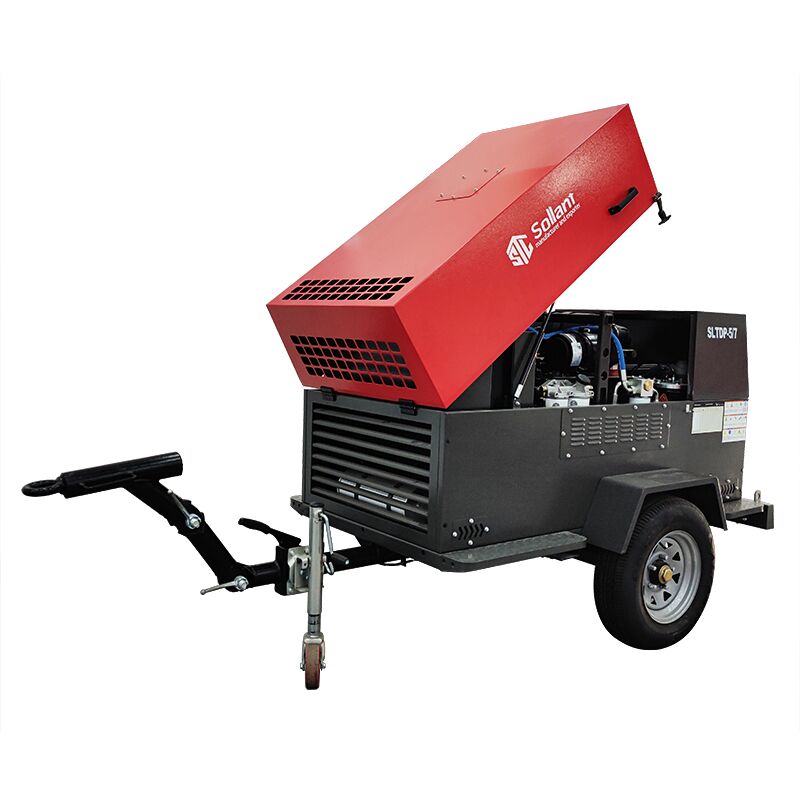
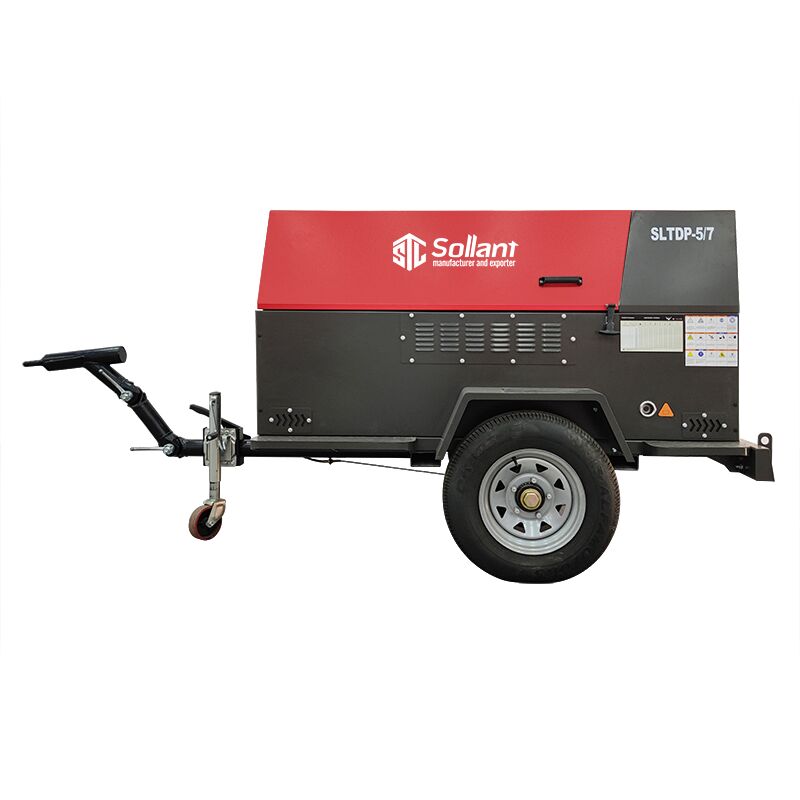
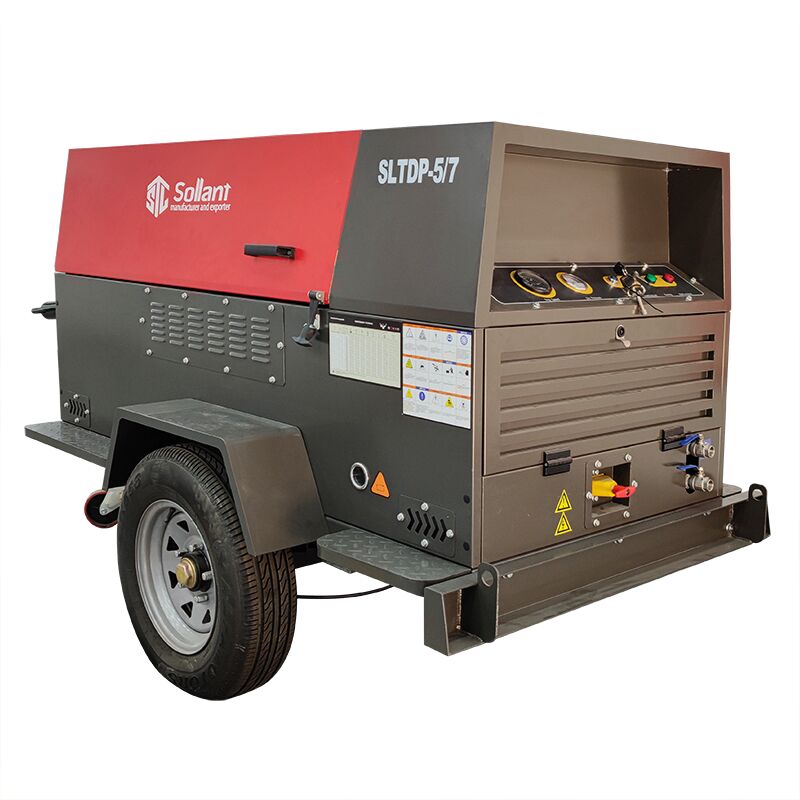
  • Diesel Portable Compressor
  • Gas Compressor
  • Specialty Compressor
  • Air Treatment
ISO 9001 Certified
24-Month Warranty
OEM & ODM Support
Factory Direct Price
All products→
Air Compressor OEM and ODM Services Explained
Technical Guide

Air Compressor OEM and ODM Services Explained ?

Technical Article
15 min read
Screw Compressor

OEM is the buyer's design. ODM is the factory's catalog with a different sticker. Every factory calls both OEM. Whatever.

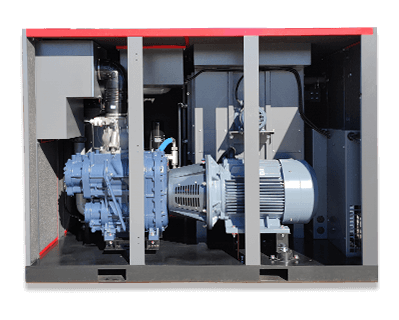
Hanbell SRM-20A. Crack open a dozen different Chinese-brand 37kW screw compressors at the Canton Fair and that airend or something close to it is sitting inside most of them. Different paint job on the housing. Sometimes a label stuck over the casting mark. Same Taiwanese-made rotors underneath.

The entire Chinese screw compressor industry is an assembly industry built on top of a handful of airend suppliers, and Hanbell owns an absurd share of that supply. Fusheng has some. There's a group of smaller domestic shops. GHH-Rand and Rotorcomp and TMC on the import side for buyers who want European iron. But Hanbell is the Intel Inside of Chinese compressors and nobody puts a sticker on saying so.

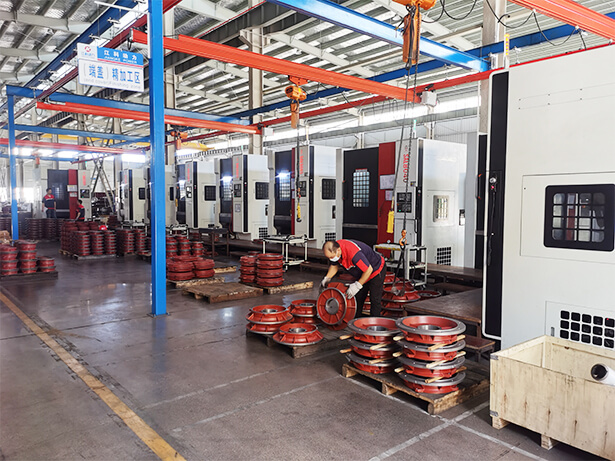
Engineering and manufacturing

Factories put unbelievable effort into hiding this. A place in Taizhou has a webpage called "Core Technology" with macro photos of rotor flutes and copy about German engineering heritage. Their airends arrive in Hanbell boxes from a bonded warehouse in Shanghai. Another factory in Wenling lists airend manufacturing as a capability on their company profile. The manufacturing process is receiving Hanbell airends, sanding off the Hanbell label, repainting, applying their own decal. A third factory, can't remember if it was Taizhou or Luqiao, has a glass wall in the showroom looking into a CNC machining hall. Visitors are meant to assume those machines grind rotors. They cut motor shafts and valve bodies. The rotors come from Hanbell.

The assembly work these factories do around the purchased airend is often genuinely good. Whoever designed the oil circuit on that Wenling factory's 55kW unit knew what they were doing. The separator efficiency is excellent, the thermostatic valve placement makes sense thermodynamically, and the service access layout on the piping side is better thought out than some European brands costing three times as much. There's real engineering talent at many of these factories. Just not in compression. The compression part arrives on a truck.

Why does any of this matter.

Because the airend catalog is a wall. Not a soft limit, not a guideline, not a "we prefer to stay within catalog but can stretch." A wall. The factory cannot modify purchased rotors. Full stop. They do not have rotor grinding equipment. They do not have the profile geometry data that defines how the rotor's helical shape translates into thermodynamic performance. They have an airend, in a box, made by someone else, and they build around it. A buyer asking for 3.6 m³/min at 10 bar when Hanbell's nearest models do 3.2 and 4.1 gets offered 3.2 or 4.1. There is no negotiation with physics.

Sales teams at these factories do not understand this or do not care. Probably both. A buyer sits in the meeting room, states a displacement and pressure target, and the sales manager says "can do" because the sales manager is thinking about the deposit check, not about the Hanbell product catalog. The buyer leaves thinking the project is confirmed. The specification reaches engineering. Engineering opens Hanbell's catalog PDF. The spec doesn't match any available model. Engineering calls the sales manager. The sales manager calls the buyer. "After careful technical evaluation we recommend a slightly different configuration." The buyer feels jerked around. The factory blames interdepartmental communication. This happens so often that describing it feels tedious, yet buyers keep walking into it because nobody talks about airend sourcing constraints clearly enough before the first factory visit.

Smart buyers pull the Hanbell catalog themselves before visiting any factory. Hanbell's model range is available if you know where to look. Map the target spec against available airend models. Walk into the sales meeting already knowing the boundaries. The sales manager can't bluff about 3.6 m³/min when the buyer has the catalog open on their laptop showing that 3.6 doesn't exist. Some factories are transparent about their airend source when asked directly. Others dodge. Dodging is informative in its own right.

GHH vs Hanbell

GHH makes better airends than Hanbell. Just flatly better for applications where the machine runs hard for a long time. A distributor based out of Düsseldorf tracked service data across something like 340 installations over eight years, roughly half Hanbell and half GHH, same machine platform otherwise. By 25,000 hours the Hanbell units were showing measurable efficiency decay. The rotors wear. They all wear. But GHH's rotor profiles held tighter for longer. By 40,000 hours, maybe 6 to 8 percent more electricity consumption on the Hanbell machines to produce the same output. Over thousands of running hours at European electricity prices that adds up to real money. Whether it adds up to more than the GHH price premium is a spreadsheet exercise that depends on kWh rates and expected machine lifespan and honestly any buyer sophisticated enough to be asking about GHH airends can run that math themselves.

340+
Installations Tracked
25k
Hours Before Decay
6-8%
Efficiency Gap at 40k Hours

Getting GHH airends into a Chinese-assembled machine is a pain. GHH doesn't sell to every factory that calls them up. They're selective about distribution. A factory in Kunshan has both Hanbell and GHH relationships and lets the buyer pick, transparent pricing, no pressure either way. Refreshing. Rare. Everywhere else it's either the factory doesn't have a GHH channel at all, or they have one and they push GHH because the margin is fatter and they won't shut up about German quality even when the buyer already said Hanbell is fine for their market. Alternatively a buyer can supply GHH airends to the factory as furnished material, but then the factory won't give a clean performance warranty on the complete machine because they didn't select the airend and they don't want to own the outcome. The warranty conversation gets tangled. Some factories refuse furnished airends outright and frankly that's the smarter policy for them even if it's frustrating for the buyer.

2021 Supply Chain Collapse

2021 broke the airend supply chain wide open and the aftershocks haven't fully settled.

Post-COVID industrial demand came back everywhere at once. Compressed air consumption tracks manufacturing activity and manufacturing activity spiked globally in the first half of 2021. Every compressor factory in China was booking orders as fast as they could process inquiries. Every one of those factories went to Hanbell for more airends at the same time. Hanbell's production is big. Not infinite. Lead times blew out past sixteen weeks. Factories that ordered 250 airends a month were told they'd get 140, maybe, and the rest whenever.

Picture a factory floor during that period. Rows of compressors lined up on assembly stands. Everything installed. Motor coupled. Oil system charged. Controller wired. Sheet metal bolted on and painted. Sitting there complete except for the empty hole in the middle where the airend goes. Forty, sixty, eighty machines, waiting. Workers standing around or reassigned to other tasks because there's nothing to assemble without the core component.

Some factory owners handled it. Communicated with buyers, explained the delay, took the hit on delivery penalties, waited for Hanbell to catch up. Others panicked.

The panic response was buying airends from suppliers nobody had ever heard of. Small domestic shops. One rotor-grinding operation in Wenzhou that had been supplying replacement airends for legacy machines picked up new-equipment orders from three compressor factories in a single month because the factories were desperate. The airends from these suppliers were, technically, functional. 7.5 to 37kW, 8 bar, standard industrial air, the machines ran. The rotors compressed air. The bearings held. The performance was within the rated spec that the small supplier published, which is a different statement from "the performance was equivalent to Hanbell" because the rated specs were not identical even at the same nominal displacement.

The Jeddah Incident

A distributor in Jeddah got burned. Two years buying from a factory in Wenling, no problems, good machines, Hanbell inside every unit. September 2021, a batch of fifteen 37kW machines showed up. First installation, the maintenance guy at the end user site flagged vibration. Higher than anything they'd measured on previous machines from the same supplier. The distributor's tech opened the housing. Airend brand: not Hanbell. Some name nobody in the office could even Google successfully. No heads up from the factory. Not a phone call, not an email, not a WeChat message. Nothing. The machines just showed up with different guts.

The call to Wenling was ugly. Factory said Hanbell was backordered. "Domestic equivalent." The distributor asked why no one mentioned this. The factory... didn't really answer. In retrospect the factory probably calculated that disclosing the swap would cause the buyer to reject the shipment or demand renegotiation, and the factory needed the cash from that shipment to cover payroll. Short-term survival math versus long-term relationship math.

Fifteen machines in the Jeddah warehouse with an airend nobody could evaluate. The factory sent over test certificates from the substitute supplier. OK, the airend met its own rated spec. But "its own rated spec" was not Hanbell's spec. Vibration signature was different. Noise spectrum was different. Specific power sat at the high end of the published tolerance instead of the middle where Hanbell units typically landed. Nothing that constituted a clear warranty claim. Just... different. Enough different that the distributor's end users noticed.

Took about three months to sort out. Factory gave a discount on the next order. The distributor started doing airend verification on every incoming batch after that. Open the machine, check the brand, check the model number against the PO. Has caught two more swaps since. The factory's euphemism is "allocation adjustment." The distributor uses other words.

The relationship survived. Barely. Switching factories is its own nightmare and the machines, when they actually have Hanbell inside, are well-built. But something broke. The inspection protocol the distributor runs now is not quality control. It's surveillance. Both sides know what it is. Neither says it out loud.

Meanwhile a factory in Shanghai that makes their own airends had no supply problem whatsoever during 2021. Same booming order book. Same crazy demand. But the airend supply was internal. No rationing, no substitution, no machines sitting half-done on the line. They shipped on time all year. Picked up new European accounts from distributors fleeing factories that couldn't deliver. Those accounts stayed. The machines cost more. The reliability during a crisis justified it.

This is an advantage that disappears entirely from view during normal times. Nobody pays extra for supply chain resilience when supply chains are functioning. It only becomes visible during disruptions, which is exactly when it matters most and exactly when it's too late to switch suppliers.

Quality.

Samples lie. Not deliberately. Not through any conscious intent to deceive. The economics of sample production are so different from mass production economics that the sample and the production unit are almost different products.

Quality inspection

A sample gets built by whoever the factory considers their best assembly technician. This person has been building compressors for fifteen years. Can feel a rough motor bearing by rocking the shaft. Will notice casting flash inside an airend intake port and grab a file. Takes four, five hours on a single machine that a line worker will later build in seventy minutes. Components going into the sample get eyeballed, informally sorted. Not a formal incoming inspection process, just a senior technician who pulls a motor off the shelf, spins the shaft, decides it's smooth enough, and uses it, when for a production build the next motor off the shelf goes in regardless.

The sample gets a full test. Two hours under load. Vibration measured everywhere worth measuring. Noise measured. Specific power calculated at rated conditions. Oil carryover checked downstream of the separator. Everything documented. QC manager reviews. Ships.

Then fifty units get ordered.

Those fifty units get built on the production line. Different people. Different pace. The line supervisor's metric is output per shift. Components from normal stock, no sorting. Assembly procedure is the same documented process executed at three to four times the speed with proportionally less care. Not carelessness exactly. Speed. The economic structure of a production line does not allow four hours per machine.

Testing gets cut. The factory's standard production test is a fifteen-minute unloaded run, pressure leak check, electrical safety test, visual inspection. Maybe a brief loaded run at some factories. Vibration measurement almost never happens on production units because the measurement setup takes fifteen to twenty minutes per machine and the test bay is a bottleneck and every machine sitting in test is a machine not shipping.

Out of fifty machines, maybe forty-something are fine. Functionally equivalent to the sample. Indistinguishable. A few have coupling vibration that's elevated, not dangerous, just higher than the sample because the coupling alignment is off by a few hundredths of a millimeter and nobody checked because checking takes time. A couple have a gasket that weeps oil after the machine has been running under load for an hour and the housing has thermally expanded, something the fifteen-minute unloaded test doesn't reveal. Maybe one has a control panel terminal that looked tight during visual inspection but wasn't properly crimped and will loosen over six months of vibration.

In China these are warranty calls. A technician drives to the customer site. Fixes it. Nobody considers this a crisis. The factory has service presence in most major Chinese cities. The cost of a warranty visit is built into the business model.

In export markets where the buyer doesn't have service technicians and the end user is in Oman or Peru or wherever, every one of those marginal machines is a financial disaster. Shipping a motor to Muscat costs more than the motor. Sending a technician is unthinkable. The end user's compressor is down, the end user is angry, the distributor who sold it looks incompetent, and the factory in Wenling says the defect rate is within normal parameters which is true and which is completely useless information to the distributor trying to keep a customer.

The Fix

The fix is not finding a factory that doesn't have this problem because all factories have this problem at varying rates. The fix is writing specific pass/fail inspection criteria into the purchase order.

Not "product shall comply with GB/T 4980." GB/T 4980 is vague enough to make both sides simultaneously right and wrong during any quality dispute, which makes it useless for resolving anything.

Specific vibration threshold. Specific noise limit. Minimum loaded run duration, thirty minutes, long enough for the housing to reach thermal equilibrium so gasket issues reveal themselves. Oil system check after the loaded run, not before. Terminal torque check on all power connections. These requirements slow the production line. Fifteen additional minutes per machine for vibration measurement. Thirty minutes of test bay time for the loaded run instead of fifteen. The factory's production manager hates it because it cuts daily throughput. Getting these terms accepted requires either paying a per-unit premium for the additional production time or having enough order volume that the factory doesn't want to argue.

Third-party pre-shipment inspection, which costs a few hundred dollars per batch from the firms that do this work in Chinese manufacturing zones, catches most problems before shipment. The percentage of importers who use inspection from day one is small. The percentage who use it after the first bad container arrives is very high. Expensive way to learn something obvious.

Tooling, Control Systems, and Scheduling

Tooling for sheet metal enclosures. Settlement exceeds quote because the factory's process engineers rearrange internal components during assembly optimization and those rearrangements create mismatches with the tooling that was built to the original drawing. Dies get recut. Invoices go up. Budget 25 to 30 percent over the tooling quote at any factory, compressor or otherwise. Not specific to this industry. Not interesting.

Control system marketing at compressor factories versus control system reality at compressor factories is the widest gap in the industry's self-presentation. "IoT cloud platform smart monitoring Industry 4.0 predictive maintenance." At most factories this translates to a cellular modem sending SMS alerts and a white-labeled dashboard from a Shenzhen company that sells the same platform to water pump manufacturers and diesel generator packagers. The predictive maintenance is a running-hours counter.

There's a factory in the Shanghai suburbs, smaller operation, that hired embedded software people from consumer electronics around 2018 and built a real controller. ARM hardware, Linux, MQTT, a REST API that works. A European buyer's integration engineer was able to connect to the API and pull live operating data into their plant management system in about half a day during a site visit. This is what "IoT-ready" should mean. At this factory it does mean that. At the forty other factories using the same buzzwords on their websites it does not.

Modbus RTU. Every factory can do it. Works fine. Has worked for twenty years. Will work for twenty more. Anything beyond Modbus, verify before ordering by asking for protocol documentation and a reference site. If the factory can't produce both, the capability claim is marketing.

Factory scheduling peaks March through May. Export orders get deprioritized behind domestic orders at most factories because domestic customers escalate more aggressively. Submit export orders as early in the year as possible.

MOQ, NDAs, and the ODM-to-OEM Transition

ODM minimums: small machines five to ten, mid-range three to five, big frames one or two. OEM varies with scope. Cosmetic changes track ODM numbers. Any tooling or software development pushes minimums up. New model development needs triple-digit annual volumes. These thresholds flex depending on how busy the factory is that quarter.

NDAs get signed, filed, and ignored. Structural IP protection or accept the risk. CE around $3,500 per model if the factory has experience with the process. Factories that have never done CE will take much longer and quote much less confidently than they should. UL is expensive and slow. Buyer cost almost always.

ODM to OEM transition works if the new product looks clearly different from the old catalog product. If they look similar, competitors buy the old ODM model and use it as ammunition.

Footer Component - SOLLANT
滚动至顶部